As a Practice Owner and Veterinarian: why I believe vaccinations still matter
Have We Forgotten How Important Vaccinations Are?
A Message from Dr Dale
Over the last year or two, I've noticed something that concerns me as a veterinarian and practice owner: fewer pets are coming in for their routine vaccinations.
I understand there are many reasons behind this. The rising cost of living has placed pressure on household budgets, and since the COVID-19 pandemic there has also been a broader conversation around vaccines in general. It's natural for people to have questions and want to make informed decisions about their pet's healthcare.
As veterinarians, we welcome those conversations. Our role is to provide evidence-based advice and help pet owners make the best choices for their individual pets.
What hasn't changed, however, is the important role vaccinations play in protecting cats and dogs from serious, and sometimes life-threatening, diseases. When our pets seem healthy and happy, it can be easy to wonder whether vaccinations are still really necessary.
The answer to that is yes.
"I've Never Seen a Dog with Parvovirus"
This is something I hear quite often, and in many ways, that's a good thing.
Many pet owners have never seen diseases like parvovirus, distemper, or feline panleukopenia because vaccination programs have been so successful. These diseases used to be far more common than they are today.
But here's the catch: they haven't disappeared.
At veterinary clinics across Australia, we still see cases of parvovirus. We still see outbreaks of kennel cough. We still treat cats suffering from preventable infectious diseases.
The reason these diseases are less common is because generations of pet owners have vaccinated their pets. When vaccination rates drop, the risk of outbreaks increases.
"My Pet Doesn't Leave the House"
Another common question we get is whether indoor pets really need vaccinations.
For dogs that mostly stay at home and cats that never venture outside, it can seem unnecessary. But unfortunately, diseases don't always respect our plans.
Dogs can encounter infectious diseases on walks, at the park, at the groomers, at boarding facilities, or even in the veterinary waiting room.
For cats, viruses can be brought into the home on shoes, clothing, carriers, or through contact with other animals. Sometimes indoor cats unexpectedly escape, require emergency hospitalisation, or need boarding.
The reality is that many pets we see with preventable illnesses weren't considered "high risk" by their owners.
Vaccinations Are About More Than Needles
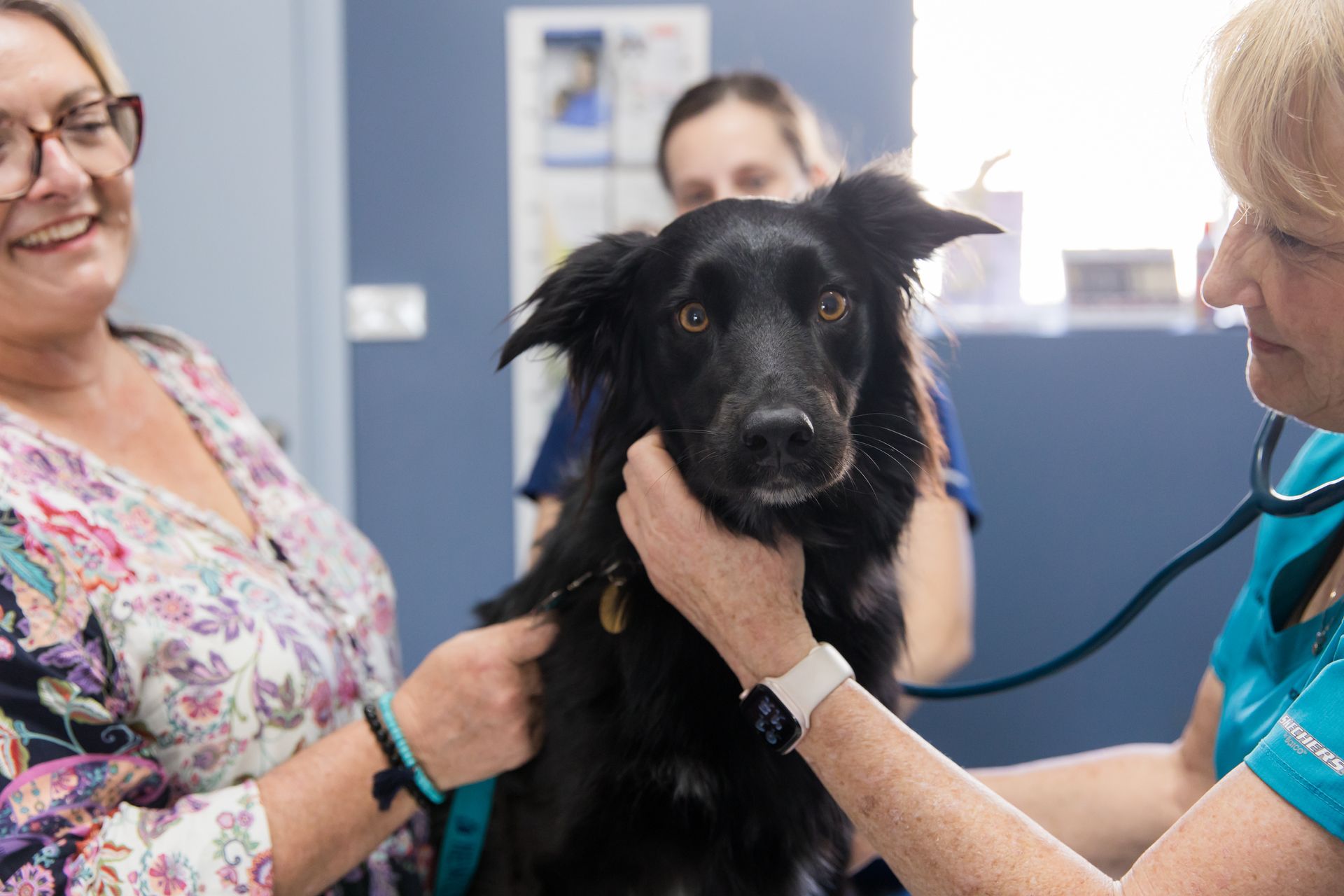
One thing I think is often overlooked is that a vaccination appointment is also a health check.
Every year, we see pets who come in for what owners expect to be a simple vaccination and we discover something else entirely:
- A painful dental disease that had gone unnoticed.
- Early arthritis.
- A heart murmur.
- A suspicious lump.
- Weight gain or weight loss.
- Skin problems.
- Changes associated with ageing.
Pets are incredibly good at hiding illness. Often the first signs are subtle, and routine health checks give us the opportunity to identify problems early, when treatment is usually easier and more successful.
Are Vaccines Safe?
It's natural to have questions about vaccine safety. As pet owners ourselves, we understand those concerns.
The vaccines we use have been extensively tested and are used safely in millions of animals worldwide.
Like any medical treatment, side effects can occur, but most pets experience little more than mild tiredness for a day or two. Serious reactions are very uncommon.
When we compare those risks to the diseases we are preventing, vaccination remains one of the safest and most effective preventative healthcare measures available.
The Cases We Never Want to See
Some of the most heartbreaking cases in veterinary medicine involve diseases that could have been prevented.
A puppy fighting for its life with parvovirus.
A kitten severely affected by feline panleukopenia.
A beloved family pet suffering from an infectious disease that a simple vaccination may have prevented.
These are situations no veterinarian wants to see, and no family wants to experience.
Prevention Is Always Better Than Treatment
One of the reasons I became a veterinarian was to help animals live longer, healthier lives.
Treating disease is important, but preventing disease is even better.
Vaccinations protect individual pets, but they also help protect the wider pet community, including young puppies and kittens, elderly pets, and animals with medical conditions that make them more vulnerable.
By keeping vaccination rates high, we help reduce the spread of infectious diseases and keep our local pet population healthier.
A Personal Request
As a veterinarian, I've seen both sides of the story.
I've seen the relief of owners whose pets remain healthy and protected because they were vaccinated.
I've also seen the heartbreak that comes when preventable diseases strike.
If your pet is due—or overdue—for their vaccination, I encourage you to have a conversation with your veterinary team. Ask questions. Discuss your pet's lifestyle. Together we can make a plan that's right for them.
Vaccinations aren't just another item on the to-do list. They're an investment in your pet's future health and wellbeing.
And that's something worth protecting.
Dale Jensen BVSc
Practice Owner and Veterinarian